
Lockdown 101: Building an Active-Threat Plan for a School Campus
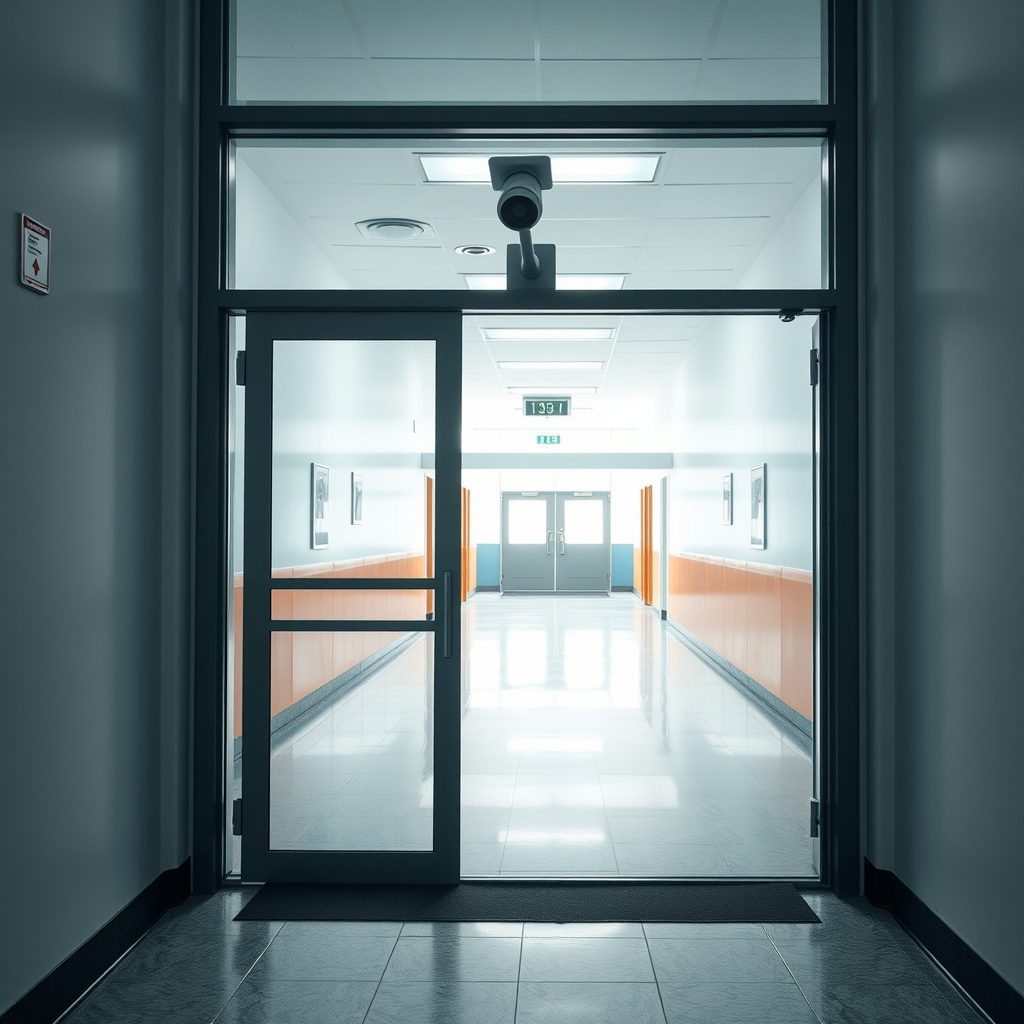
For school and faith-community leaders, few responsibilities weigh heavier than keeping students and staff safe. An active-threat plan is not about creating fear. It is about making sure that if the worst happens, everyone knows exactly what to do and the campus responds in seconds, not minutes.
A strong lockdown plan combines clear procedures, trained people, and technology that works together. Below is a practical framework you can use to start building or improving a plan for your Los Angeles campus.
Start With a Realistic Campus Assessment
Every plan begins with an honest look at your buildings and grounds. You cannot protect what you have not mapped. Walk the campus and document how people move through it during a normal day.
- Entry points: Identify every door, gate, and window that could be used to enter or exit, including those that are propped open out of habit.
- Gathering areas: Note where large groups form, such as cafeterias, gyms, auditoriums, and pickup zones.
- Shelter locations: Determine which rooms can be secured quickly and which have no way to lock from the inside.
- Blind spots: Look for hallways, stairwells, and exterior corners with no visibility.
This assessment becomes the foundation for both your procedures and your technology decisions. Involve teachers, front-office staff, and facilities teams, since they know the daily reality of the campus better than any diagram.
Define Clear, Simple Procedures
During a crisis, people fall back on what they have practiced. Your procedures should be simple enough to remember under stress and specific enough to remove guesswork.
Establish plain-language commands rather than codes that visitors or substitutes might not understand. A clear "Lockdown now" announcement is far more effective than a color or number that requires a decoder.
For each role on campus, spell out the first three actions to take:
- Teachers: Lock the door, move students away from windows and doors, and stay quiet until an official all-clear.
- Front office: Initiate the alert, call 911, and share the location and description of the threat if known.
- Facilities and administration: Secure perimeter doors and prepare to guide first responders on arrival.
Coordinate these procedures with your local law enforcement and fire agencies before an emergency. First responders should already know your campus layout, your door-numbering system, and how they will access video if needed.
Integrate Technology That Speeds the Response
Seconds matter during an active-threat event, and this is where the right integrated systems make a measurable difference. The goal is to shorten the time between recognizing a threat and securing the campus.
Consider how these tools work together:
- Access control: With networked electronic locks, a single command can lock every exterior door at once, rather than relying on staff to turn keys one room at a time.
- Video surveillance: Cameras give administrators and first responders real-time awareness of where a threat is located and how it is moving.
- AI threat detection and lockdown: Systems that recognize certain risks can trigger alerts and initiate a lockdown automatically, reducing the delay caused by human hesitation.
- Mass notification: The ability to push instant alerts to phones, intercoms, and displays keeps everyone informed and coordinated.
The most important word here is integration. A camera that no one is watching or a lock that must be triggered manually adds little value in a fast-moving emergency. When access control, video, and alerts are connected, one action can protect the whole campus.
Train, Drill, and Refine
A plan on paper is only a starting point. Regular, age-appropriate drills build the muscle memory that helps students and staff act calmly when it counts.
Schedule drills throughout the year and vary the scenarios so people do not simply memorize one routine. After each drill, hold a short debrief and ask direct questions: Did every door lock? Did the alert reach every classroom? Were there areas no one knew how to secure?
Use those answers to update your procedures and adjust your technology. Campuses change as construction, staffing, and daily routines evolve, so your plan should be reviewed at least once a year.
Balance Security With a Welcoming Campus
Effective security does not have to feel like a fortress. The best plans protect people while keeping the campus open and welcoming during normal operations.
Look for solutions that stay invisible until they are needed. Doors that lock instantly in an emergency can still allow easy movement on an ordinary day. Cameras and detection systems can run quietly in the background without changing the feel of your classrooms and common areas. The aim is confidence, not constant tension.
Build Your Plan With Local Support
Every campus is different, and a strong active-threat plan reflects your specific buildings, community, and goals. SmartConnect L.A. works with schools and faith communities across Los Angeles to design integrated access control, video surveillance, and AI-driven lockdown systems that fit real-world needs.
If you are ready to review your current plan or start building one, call us at 310-893-0878 to book a free assessment. We will help you take a clear, practical next step toward a safer campus.
Want this protecting your property?
Talk to a local SmartConnect L.A. specialist — no pressure, no jargon.
Get a free assessment