
How AI Weapons Detection Actually Works for L.A. Properties — And Its Limits
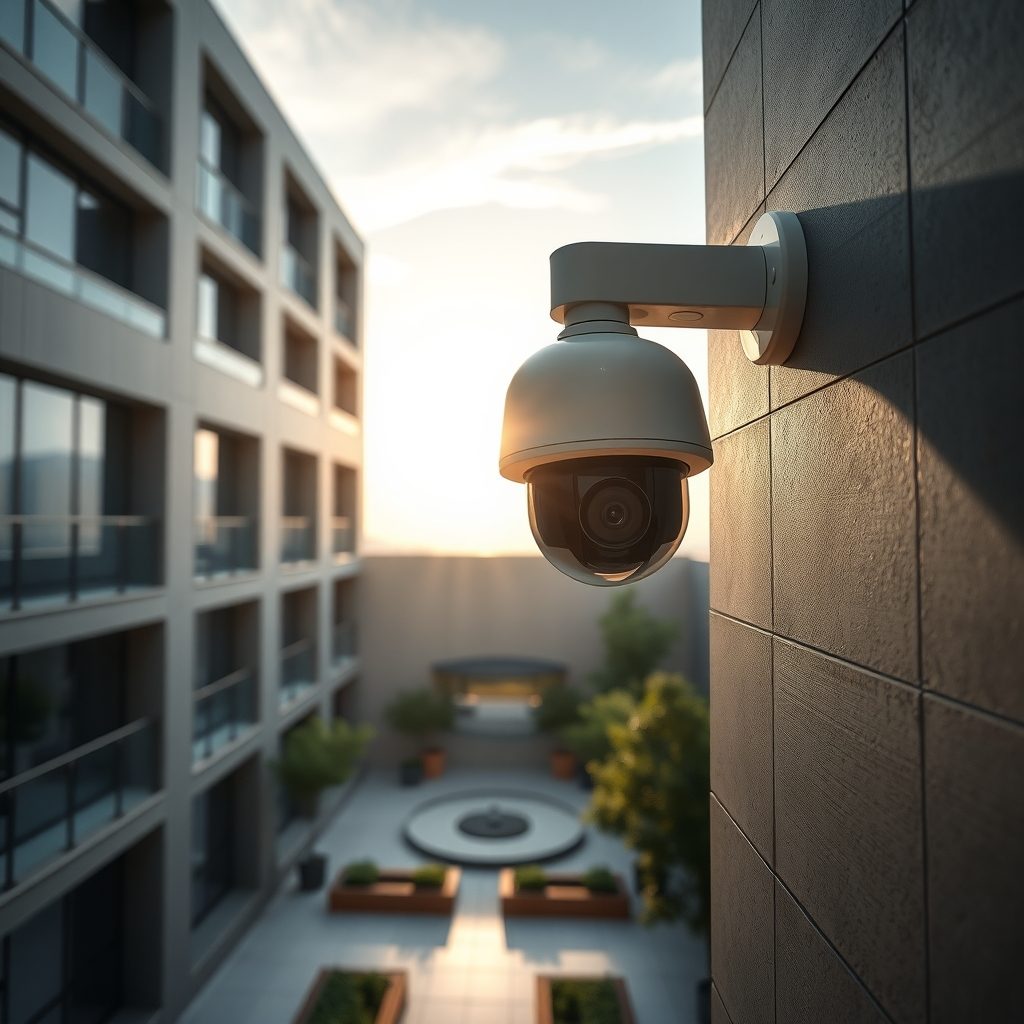
AI weapons detection has become one of the most talked-about tools in physical security. For property managers, school leaders, and business owners across Los Angeles, the promise is appealing: software that spots a firearm before an incident unfolds. But the technology is often oversold, and understanding how it actually works — along with where it falls short — is the difference between a smart investment and a false sense of safety.
Here's a practical, honest breakdown of what AI weapons detection does, how it fits into a broader security plan, and the limits every L.A. property owner should know before buying.
What AI weapons detection actually does
At its core, AI weapons detection is software layered on top of your video surveillance system. It analyzes camera feeds in real time and looks for the visual signature of a weapon — typically a handgun or long gun that is visible and in someone's hands or otherwise exposed.
When the software believes it has identified a weapon, it sends an alert. Depending on the setup, that alert can go to on-site staff, a monitoring center, or trigger automated responses like locking doors and notifying law enforcement.
There are two broad categories to understand:
- Camera-based visual detection. Uses your existing or new surveillance cameras and AI to spot visible weapons. It does not see through clothing or bags.
- Concealed-weapon screening systems. These are sensor-based gateways, similar in concept to walk-through detectors, used at controlled entry points. They serve a different purpose and cost far more to deploy.
For most L.A. commercial, faith, and residential properties, camera-based detection is the more realistic and affordable path — as long as expectations are set correctly.
How the detection process works step by step
Understanding the workflow helps clarify both the value and the limits.
- Video capture. Cameras feed continuous video to the AI engine. Camera placement, resolution, and lighting all affect accuracy.
- Object analysis. The AI scans frames for shapes and patterns it has been trained to associate with weapons.
- Confidence scoring. The system assigns a probability that what it sees is a weapon, rather than a phone, tool, or umbrella.
- Human verification. In well-designed systems, a trained person reviews the alert before major action is taken. This step dramatically reduces false alarms.
- Response. Verified threats can trigger lockdown, mass notification, and coordinated law-enforcement contact.
The human-in-the-loop step matters. Fully automated responses without verification can create chaos from a false positive — which is why we design layered workflows rather than blind automation.
The real limits you need to know
No responsible integrator should sell weapons detection as foolproof. Here are the honest constraints.
- Concealed weapons are invisible to cameras. Visual AI cannot detect a firearm hidden under a jacket, in a waistband, or inside a bag. It only sees what the camera sees.
- Camera conditions matter. Poor lighting, bad angles, obstructions, distance, and low-resolution cameras all reduce accuracy.
- False positives and false negatives happen. No system is perfect. Objects can be misread as weapons, and real weapons can be missed depending on how they're presented to the camera.
- It's detection, not prevention. The technology can shorten response time, but it does not physically stop anyone. Its value depends on what happens after the alert.
Anyone claiming near-perfect accuracy in all conditions is overpromising. The right question is not "is it flawless?" but "does it meaningfully improve our response time and coordination?"
Where it fits in a layered security plan
AI weapons detection works best as one layer among several — not a standalone solution. On its own, an alert has limited value. Combined with the right systems, it becomes part of a fast, coordinated response.
- Access control to limit and manage who enters your property.
- Well-placed, high-quality cameras that give the AI clear views at key entry and gathering points.
- Automated lockdown that can secure doors within seconds of a verified threat.
- Mass notification to alert staff, occupants, and responders simultaneously.
- Clear response protocols so people know exactly what to do when an alert triggers.
For schools, faith communities, and multi-tenant properties in Los Angeles, this layered approach delivers far more safety value than any single product — including AI detection by itself.
Is it right for your property?
The answer depends on your risk profile, layout, existing camera infrastructure, and budget. A property with strong entry control and good camera coverage is well positioned to add detection effectively. A property with aging cameras and open access may need foundational upgrades first.
The goal is a system matched to your actual environment — not a one-size-fits-all package. Honest planning up front prevents wasted spending and unrealistic expectations.
If you're weighing AI weapons detection for your L.A. property, we'll give you a straight assessment of what it can and can't do for your specific site. Call SmartConnect L.A. at 310-893-0878 to book a free security assessment and get a practical plan built around your real needs.
Want this protecting your property?
Talk to a local SmartConnect L.A. specialist — no pressure, no jargon.
Get a free assessment