
Designing K-12 School Security to Meet PASS Guidelines
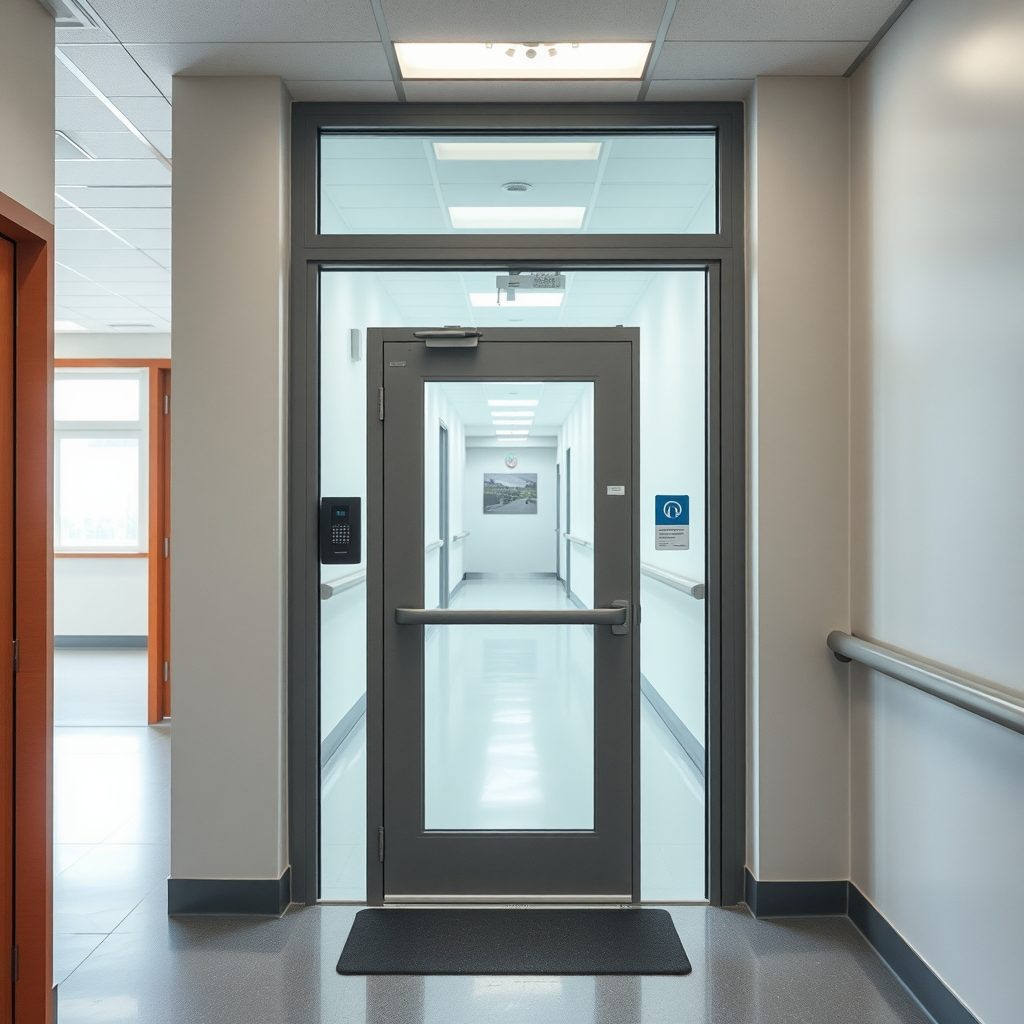
Keeping students and staff safe is the top priority for every school leader, but knowing where to start can feel overwhelming. That's why many districts turn to the Partner Alliance for Safer Schools (PASS) framework. PASS offers a practical, tiered roadmap for physical security that helps schools prioritize improvements based on risk and budget rather than guesswork.
At SmartConnect L.A., we work with school and faith-community leaders across the region to design systems that align with PASS guidance. Here's how the framework works and how to build a plan that fits your campus.
Understanding the PASS Layered Approach
PASS organizes security into concentric layers, starting at the property perimeter and moving inward to the district-wide level. The idea is simple: no single measure protects a school on its own. Instead, each layer adds time, distance, and warning that help staff respond before a threat reaches students.
The layers PASS defines are:
- District-wide: Policies, communication systems, and coordination across campuses.
- Property perimeter: Fencing, signage, and controlled entry to the grounds.
- Parking lot: Lighting, camera coverage, and clear sightlines.
- Building perimeter: Secured exterior doors, visitor entry vestibules, and monitored openings.
- Classroom and interior: Lockable doors, communication tools, and safe areas.
PASS also uses tiers (1 through 4) within each layer, letting you set realistic goals. A Tier 1 improvement might be foundational, while Tier 4 represents a more advanced standard. This structure makes it easier to build a phased plan you can actually fund and execute.
Controlling Who Gets In
Access control is often the highest-impact starting point. Under PASS, exterior doors should remain locked during the school day, with a single, monitored main entrance for visitors. A secure entry vestibule that routes guests through the front office before they reach students is a core recommendation.
Modern electronic access control lets you manage credentials for staff, revoke lost cards instantly, and see a log of who entered which door and when. For campuses with multiple buildings, this centralized control removes the guesswork of physical keys and reduces the risk of a door being propped open.
We also recommend door position sensors that alert staff when an opening is left ajar. It's a small addition that closes one of the most common gaps in school security.
Seeing the Whole Campus with Video
Video surveillance supports nearly every PASS layer, from the parking lot to interior hallways. Good camera coverage does more than record incidents after the fact; it helps staff verify situations in real time and gives responders critical information during an emergency.
When designing a system, focus on:
- Coverage of entry points: Every controlled door and the main vestibule.
- Clear sightlines: Parking areas, walkways, and blind corners.
- Reliable retention: Enough storage to review footage when needed.
AI-assisted threat detection can add another layer by flagging unusual activity and, when integrated with your access system, supporting rapid lockdown. The goal isn't to replace human judgment but to give staff faster awareness so they can act sooner.
Planning for Lockdown and Communication
PASS emphasizes that hardware only works when paired with clear procedures. A well-designed system should let staff initiate a lockdown quickly, notify everyone on campus at once, and share information with local responders.
Consider how a teacher would trigger an alert, how that alert reaches the front office and every classroom, and how doors secure automatically when needed. Integrating access control, mass notification, and video into one coordinated response reduces confusion in the moments that matter most.
Equally important is regular practice. Drills reveal gaps that no diagram can, and they build the muscle memory staff and students need. Your technology should make drills easier to run and review, not harder.
Building a Realistic, Phased Roadmap
One of the strengths of PASS is that it doesn't demand you do everything at once. Start with a thorough assessment of your current campus against the framework's layers and tiers. That assessment shows you where you stand and highlights the improvements that deliver the most protection for your investment.
From there, a phased plan lets you tackle high-priority items first, such as securing entry points, then work toward more advanced tiers over multiple budget cycles. Grant funding and district planning both go more smoothly when you can point to a recognized framework and a clear rationale for each phase.
The most effective plans also account for how systems work together. Access control, video, networking, and communication should share information rather than operate in silos, so your team gets a complete picture during any incident.
If you lead a school or faith community in the Los Angeles area, we'd welcome the chance to help you assess your campus against PASS guidelines and build a practical plan. Call SmartConnect L.A. at 310-893-0878 to book a free security assessment and take the next step toward a safer campus.
Want this protecting your property?
Talk to a local SmartConnect L.A. specialist — no pressure, no jargon.
Get a free assessment