
After-Hours Break-Ins at Your Business: Detection, Lockdown, and Fast Dispatch
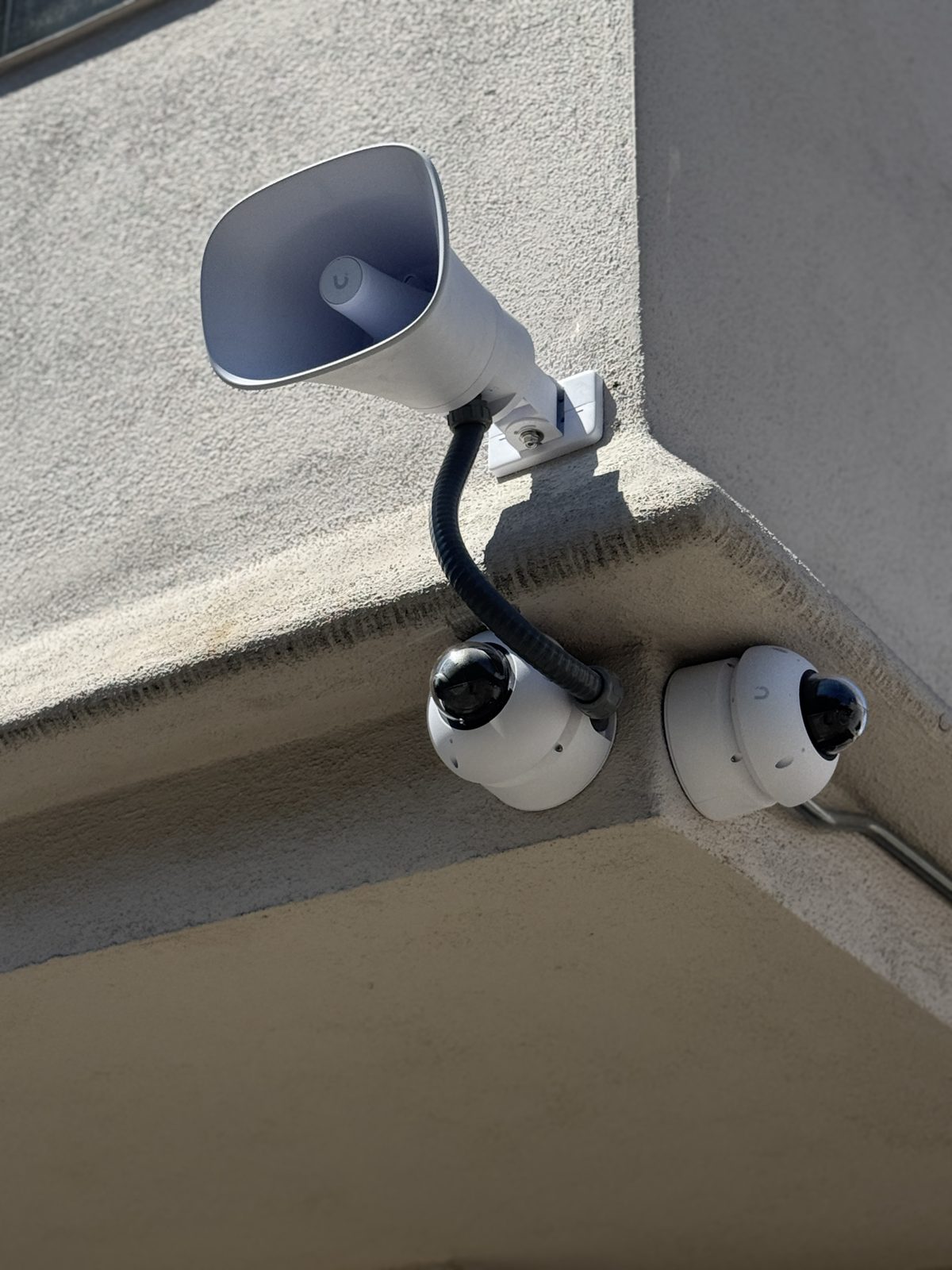
Most commercial break-ins don't happen during business hours. They happen at 2 a.m. on a holiday weekend, when the parking lot is empty and no one is watching the back door. For property managers and business owners across Los Angeles, the challenge isn't just having cameras. It's having a system that notices trouble, responds instantly, and gets help on the way before real damage is done.
Here's how a well-designed security setup handles an after-hours intrusion from the first alert to the arrival of law enforcement.
Detection: Catching the Threat Early
The earlier a break-in is detected, the more you can prevent. Traditional motion sensors and glass-break detectors still play a role, but on their own they generate a lot of false alarms from wind, animals, or passing headlights. That leads to alarm fatigue and slow responses.
Modern detection combines several layers so the system can tell the difference between a real threat and a non-event:
- AI-powered video analytics that distinguish a person from a raccoon, a car, or moving shadows.
- Perimeter and door sensors that flag forced entry at points of vulnerability.
- Loitering and after-hours occupancy detection that alerts you when someone is present during closed hours.
The goal is fewer false alarms and faster confirmation of the real thing. When the system is confident a person is on the property who shouldn't be, it can escalate immediately instead of waiting for a human to notice.
Lockdown: Slowing the Intruder Down
Detection alone doesn't stop anyone. What buys you time is the ability to respond automatically the moment a threat is confirmed. This is where access control and video work together.
When your system verifies an after-hours intrusion, it can trigger a coordinated response without anyone touching a button:
- Automatic door locks that seal off sensitive areas like server rooms, cash offices, or inventory storage.
- Zone-based lockdown so an intruder who breaches one entrance can't move freely through the building.
- Deterrent measures such as bright lighting, on-site audio warnings, and live voice-down from a monitoring operator letting the intruder know they are being watched and recorded.
Many break-ins are opportunistic. When a would-be thief realizes the building is actively responding and someone is speaking to them by name from a speaker, they often leave before taking anything. Every extra minute you slow them down is a minute closer to a dispatch arriving.
Dispatch: Getting Help There Faster
An alarm that only rings inside an empty building does very little. The value comes from what happens after the alert. With professional monitoring tied to your system, a confirmed intrusion goes straight to trained operators who can verify the event on live video and contact authorities.
Verified alarms matter. When a monitoring center can confirm an actual person on the property through video, that information can lead to a more urgent response than a standard unverified alarm. Instead of a call that says "an alarm is going off," dispatch hears "we can see an intruder inside the building right now."
A strong dispatch process typically includes:
- Live video verification before escalating, which reduces wasted responses on false alarms.
- Immediate notification to you and your designated contacts so you're never in the dark.
- Clear location details shared with responders, including which zone or entrance was breached.
Why the Pieces Have to Work Together
Plenty of businesses have cameras, an alarm, and a lock on the door. The problem is that these often operate as separate systems that don't talk to each other. The camera records, but no one watches. The alarm sounds, but nothing locks. The lock holds, but no one is dispatched.
Integration is what turns individual products into actual protection. When detection, lockdown, and dispatch are connected on one platform, a single confirmed event sets off the entire chain automatically. That coordination is the difference between reviewing footage of a loss the next morning and stopping the loss as it happens.
It also matters for your network. Cameras and access control depend on reliable connectivity, so a properly designed system includes secure, well-maintained networking so nothing goes offline at the worst possible moment.
Building a Plan That Fits Your Property
Every property has different weak points. A warehouse worries about loading docks and fence lines. A retail storefront worries about glass entrances and stockrooms. An office building worries about lobbies and after-hours access. A one-size-fits-all package rarely covers what actually matters for your space.
The best approach starts with a walkthrough: identifying entry points, blind spots, high-value areas, and how your team currently responds when something goes wrong. From there, you can build a layered system that detects early, locks down fast, and dispatches with confidence.
If after-hours security has been keeping you up at night, let's take a practical look at your property. Call SmartConnect L.A. at 310-893-0878 to book a free assessment, and we'll help you build a response plan that actually stops break-ins instead of just recording them.
Want this protecting your property?
Talk to a local SmartConnect L.A. specialist — no pressure, no jargon.
Get a free assessment