
Lockdown 101: Building an Active-Threat Plan for a School Campus
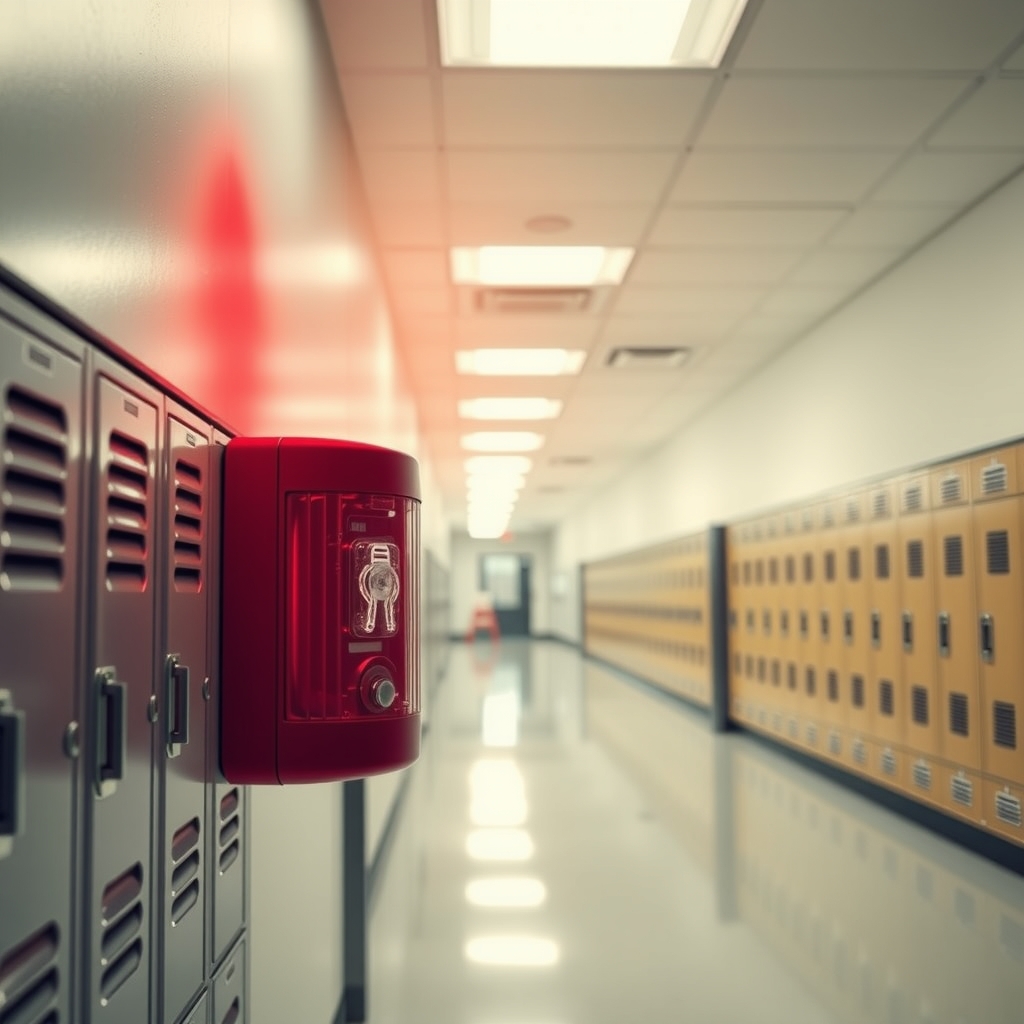
For school leaders, few responsibilities weigh heavier than keeping students and staff safe during an emergency. An active-threat lockdown plan is the difference between confusion and coordinated action in the moments that matter most. The good news: a strong plan is built from clear procedures and the right technology working together, and you can start improving yours today.
Here is a practical framework for building a lockdown plan that fits a real school campus, not a worst-case fantasy.
Start With Clear, Simple Procedures
Technology supports a plan, but people execute it. Before adding hardware, define what a lockdown actually means on your campus and how it differs from other responses like shelter-in-place or evacuation.
- Use plain language. Announce a lockdown in clear, direct terms everyone understands, including substitutes, visitors, and new staff.
- Define roles. Decide who can initiate a lockdown, who communicates with first responders, and who accounts for students.
- Address every space. Classrooms, cafeterias, gyms, restrooms, and outdoor areas all need instructions, because a threat rarely waits for everyone to be at their desks.
Write it down, keep it short, and make sure every adult on campus knows their part without reaching for a binder.
Control Who Gets In — and How Fast You Can Seal the Campus
Most campuses have too many doors and too few ways to secure them quickly. Modern access control lets you move from "open for the school day" to "fully locked" in seconds, from a single action.
With a platform like Brivo, Avigilon Alta, Genetec, or ProdataKey, administrators can trigger a campus-wide lockdown that instantly locks exterior and interior doors. Staff can initiate it from a badge, a mobile app, or a wall-mounted button, so no one has to run to a central office during a crisis.
Equally important is daily control. A secure entry vestibule that funnels all visitors through one monitored point reduces the number of unknowns before an emergency ever begins. The strongest lockdown is the one you rarely need because the campus perimeter is already managed.
See the Threat Early With Video and AI Detection
Early awareness buys time, and time saves lives. Video surveillance paired with AI threat detection can help your team recognize a developing situation faster than human monitoring alone.
- Weapon and behavior detection can flag potential threats and alert staff and responders in real time.
- Live camera access gives arriving officers eyes inside the building, so they understand the scene before they enter.
- Automated lockdown triggers can tie detection to door locks, so recognition and response happen together instead of minutes apart.
The goal is not to replace human judgment but to shorten the gap between "something is wrong" and "everyone is protected."
Make Communication Instant and Reliable
In a real emergency, staff need to alert each other and reach 911 without hunting for a phone. Your plan should include fast, redundant ways to communicate.
Integrated systems can push alerts to every classroom, trigger audible and visual notifications, and share your campus map and live video with dispatchers. Mobile credentials and apps let staff receive instructions wherever they are on campus. Build in backups, because a plan that depends on a single device or a single person is fragile by design.
Don't forget reunification. Parents will converge on your campus within minutes of any alert. Decide in advance where they go and how you'll account for every student, and practice that part too.
Train, Drill, and Review on a Schedule
A plan written once and filed away is not a plan. Regular, age-appropriate drills build the muscle memory that lets students and staff respond calmly under stress.
- Practice with your actual technology, so staff know how to trigger a lockdown and what the alerts look and sound like.
- Debrief honestly after each drill and fix the gaps you find — a door that didn't lock, an announcement no one heard, a classroom with no clear instructions.
- Coordinate with local police and fire, and invite them to walk your campus so they understand its layout and systems.
- Review annually, and update your plan whenever you add buildings, change staff, or upgrade systems.
The best plans are living documents, refined by practice and shaped by the people who use them.
Build a Plan That Fits Your Campus
Every school is different — the buildings, the budget, the community, and the daily rhythm. A lockdown plan should reflect those realities, pairing straightforward procedures with access control, video, and AI tools that your staff can actually use under pressure.
As a certified Genetec partner serving Los Angeles schools, SmartConnect L.A. helps campus leaders design and integrate systems that make a lockdown plan work in the real world. To review your campus and identify practical next steps, call 310-893-0878 to book a free assessment.
Want this protecting your property?
Talk to a local SmartConnect L.A. specialist — no pressure, no jargon.
Get a free assessment