Modernizing Security Without Ripping Out the Gear That Still Works
There's a common assumption that upgrading your security system means tearing everything out and starting over. For most Los Angeles property owners, that's neither necessary nor smart. A lot of the equipment already on your walls, in your ceilings, and in your wiring closets still has useful life left.
The goal of a modern security upgrade isn't to throw money at new hardware. It's to add the capabilities you're missing while protecting the investment you've already made. Here's how a thoughtful, phased approach actually works.
Start With What You Have
Before anyone recommends new gear, the first step is a real inventory. That means walking the property and documenting the cameras, readers, controllers, cabling, and network equipment currently in place, then noting what each piece does and how well it still performs.
You'll often find a mix. Some components are near end-of-life and should be replaced. Others are perfectly serviceable and simply need to be connected to a smarter platform. Common gear worth keeping includes:
- Structured cabling that can carry new signals without being re-pulled
- Door hardware like strikes, maglocks, and request-to-exit devices
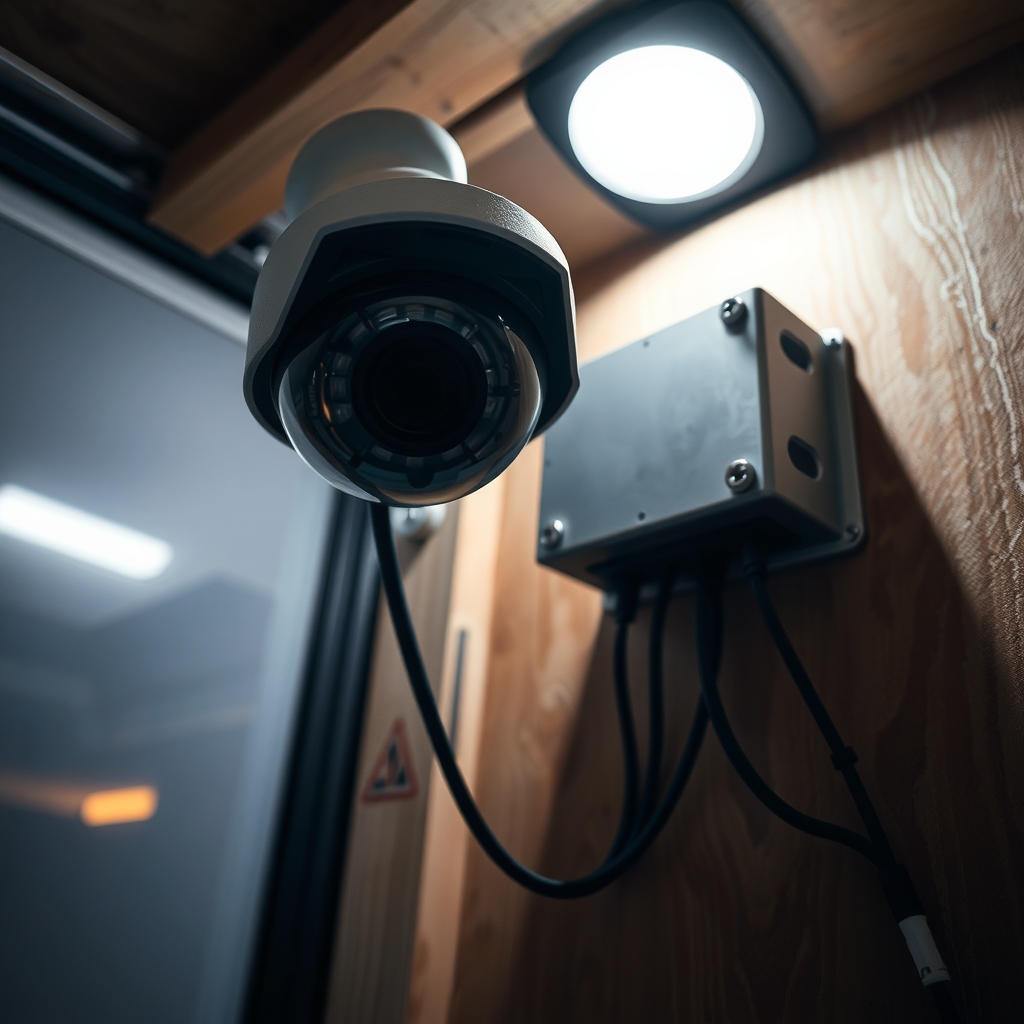
- Analog or older IP cameras covering angles that still matter
- Network switches and racks with capacity to spare
Knowing what's reusable is what turns a budget-busting overhaul into a manageable project.
Bridge Old and New With the Right Platform
The biggest leaps forward in security come from software, not just hardware. Modern platforms are built to pull disparate equipment into a single view, which means you don't have to standardize everything on day one.
As a certified Genetec partner, we often use open platforms that support a wide range of devices and manufacturers. Encoders can bring older analog cameras onto an IP system. Access controllers from brands like Brivo, Avigilon Alta, and ProdataKey can be introduced alongside existing door hardware. The result is one interface for cameras and doors, even when the underlying gear came from different eras and vendors.
This matters because it lets you add features your old system never had, such as remote management, mobile credentials, and unified reporting, without ripping out every reader and camera to get there.
Add Intelligence Where It Counts Most
Not every door and camera needs to be top-of-the-line. A better strategy is to concentrate new investment at your highest-risk points and let reliable existing gear cover the rest.
For example, you might keep working cameras in low-traffic hallways while adding AI threat detection at main entrances, loading docks, or parking areas. AI analytics can watch for specific behaviors and trigger alerts or an automatic lockdown when something looks wrong, turning passive cameras into an active layer of protection.
The same logic applies to access control. Your interior doors may be fine on existing credentials, while your perimeter entrances get mobile-tap readers and tighter scheduling. You spend where the risk is, not everywhere at once.
Phase the Work to Match Your Budget
A rip-and-replace project forces a single large expense and a disruptive install. A phased modernization spreads cost over time and keeps your property protected throughout.
A typical sequence might look like this:
- Phase one: deploy the management platform and connect existing cameras and doors
- Phase two: upgrade the highest-priority entrances and add AI analytics
- Phase three: replace aging cameras and readers as budget allows
- Phase four: extend coverage to new areas or integrate residential and smart-home monitoring
Because the platform is in place from the start, each new piece of equipment simply plugs into a system you already understand. There's no wasted effort and no second learning curve.
Don't Overlook the Network Underneath
Modern security runs on your network, so the wiring and switches tying everything together deserve attention too. The good news is that a solid existing network can often support new cameras and access devices without a full rebuild.
Where we do recommend investment, it's usually targeted: adding capacity, segmenting security traffic for reliability, or improving power delivery to devices. These upgrades quietly make everything else work better and are far less costly than replacing endpoints you didn't need to touch.
Modernize at a Pace That Makes Sense
Updating your security doesn't have to mean a demolition project. With the right assessment and an open platform, you can keep the gear that still performs, retire only what's truly outdated, and add modern capabilities in stages that fit your budget and your property.
If you'd like a clear-eyed look at what you can keep and what's worth upgrading, SmartConnect L.A. can help. Call 310-893-0878 to book a free assessment and get a practical, phased plan for your property.
Want this protecting your property?
Talk to a local SmartConnect L.A. specialist — no pressure, no jargon.
Get a free assessment