
How AI Weapons Detection Actually Works for L.A. Properties — and Its Limits
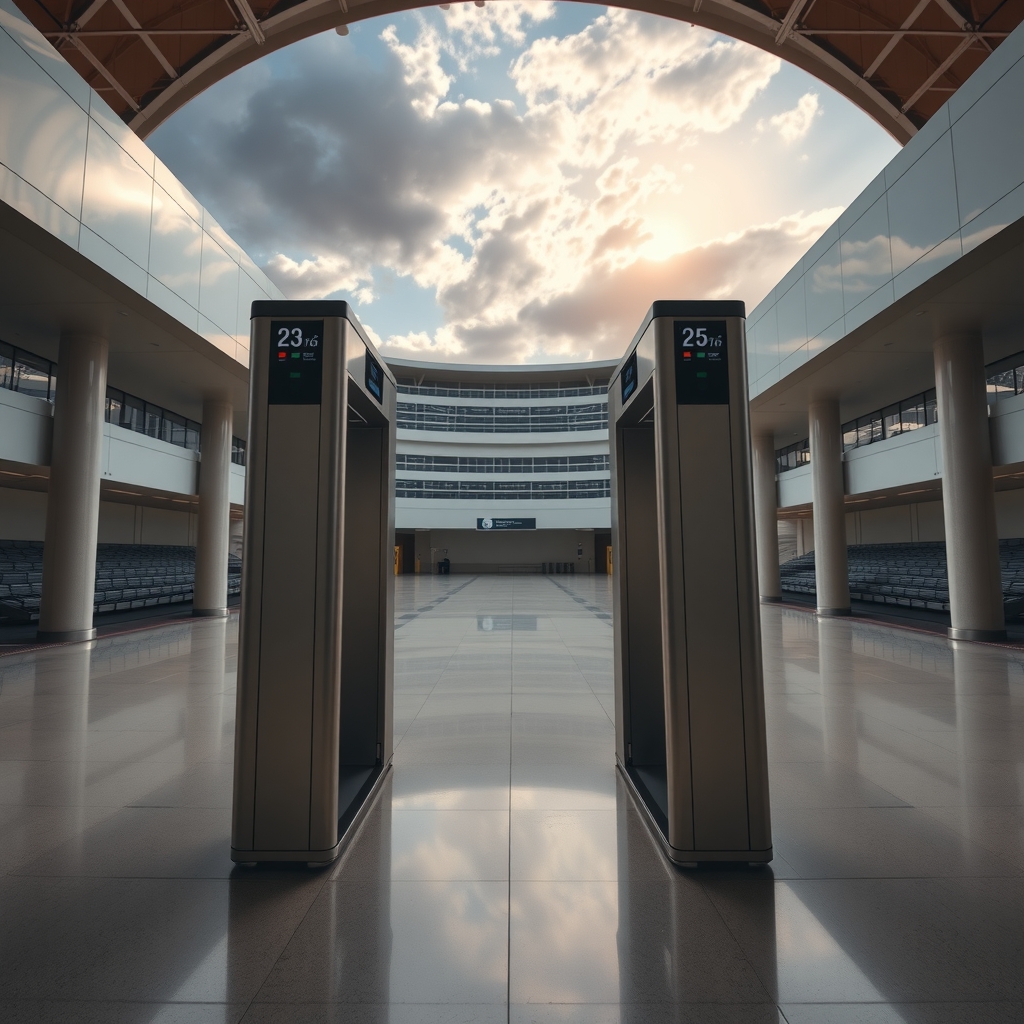
Weapons detection powered by artificial intelligence gets a lot of attention, and for good reason. The promise is appealing: spot a threat before it reaches a classroom, a sanctuary, or a storefront. But the technology is often misunderstood, and the marketing rarely matches the reality on the ground.
At SmartConnect L.A., we help schools, faith communities, property managers, and business owners make sense of these tools. Here is a straightforward explanation of how AI weapons detection actually works, where it genuinely helps, and where its limits should shape your planning.
What "AI weapons detection" really means
The term covers two very different categories of technology, and confusing them leads to bad decisions.
- Sensor-based screening systems use walk-through pedestals that detect the specific signatures of firearms and large metallic threats. Unlike traditional metal detectors, they aim to let people pass without emptying pockets, flagging only shapes and materials consistent with a weapon.
- Camera-based analytics use AI software layered onto your existing video surveillance. These systems analyze the video feed to identify a visible, brandished firearm in someone's hands and send an alert.
Both are useful, but they solve different problems. Screening systems work at a defined entry point. Camera analytics watch open areas and only work when a weapon is actually visible on camera.
How the detection process works
Camera-based systems are the most common addition for L.A. properties because they build on infrastructure you may already own. The software continuously scans video for the visual pattern of a gun. When it believes it sees one, it does not simply sound an alarm and walk away.
A well-designed workflow includes a human verification step. The alert, along with the snapshot or clip, is routed to a monitoring center or an on-site operator who confirms whether the threat is real. This matters because it filters out the inevitable false alarms before anyone triggers a lockdown.
Once a threat is confirmed, the real value of integration shows. A verified alert can automatically lock designated doors, push notifications to staff phones, share the camera location with responders, and display the live feed in a control room. This is where AI detection connects to your access control and lockdown systems rather than living as a standalone gadget.
Where it genuinely helps
Used realistically, these tools shorten the gap between the moment a threat appears and the moment people respond. Seconds count, and a confirmed alert with a camera location gives staff and law enforcement a head start they would not otherwise have.
The best fits we see in Los Angeles include:
- Single, controlled entrances where sensor screening can channel visitors through one path.
- Schools and campuses that already have cameras and want faster, coordinated lockdown response.
- Faith communities and event venues balancing an open, welcoming feel with a layer of protection at key points.
- Commercial properties that want visible deterrence plus a documented response plan.
The limits you should plan around
No responsible integrator will tell you a camera can catch every threat. Understanding the boundaries is what keeps a system credible.
Concealed weapons are the hard case. Camera analytics can only detect a weapon it can see. A firearm in a bag, a waistband, or a coat is invisible to the software until it is drawn. Sensor screening addresses concealment, but only at the specific doorway where it is installed.
False alarms are real. Phones, tools, umbrellas, and everyday objects can trigger alerts. Without human verification, false positives erode trust and lead staff to ignore warnings — the worst possible outcome. Sensor systems also flag benign metal items, so staffing for secondary checks is part of the cost.
Coverage has edges. Cameras have fields of view, lighting requirements, and angles. Detection depends on placement, image quality, and the network behind it. A system is only as strong as the cameras, wiring, and integration supporting it.
Technology is not a plan. Detection means nothing without a rehearsed response: who gets the alert, which doors lock, how you reach police, and how staff move people to safety. The hardware buys you seconds; your procedures decide what happens next.
Building a system that actually delivers
Effective weapons detection is layered. It pairs the right sensing technology with solid cameras, reliable networking, integrated access control, and a lockdown workflow your people have practiced. As a certified Genetec partner, we design these pieces to work together rather than selling a single box and calling it protection.
The goal is honest expectations: fewer surprises, faster verified response, and a plan everyone understands. That combination protects people far better than any AI feature on its own.
If you are weighing weapons detection for a school, place of worship, or commercial property in Los Angeles, we can help you separate the useful from the overhyped. Call SmartConnect L.A. at 310-893-0878 to book a free security assessment and get a clear, practical plan for your property.
Want this protecting your property?
Talk to a local SmartConnect L.A. specialist — no pressure, no jargon.
Get a free assessment